American Coffee Lover 3D Embroidery Review
As a professional embroidery digitizer and product reviewer, I approach every new machine embroidery design with a critical eye. It is not enough for a file to simply look good on a screen; it must perform under the needle and add tangible value to the finished product. When evaluating the American Coffee Lover 3D Embroidery, my primary focus is on how this specific embroidery file translates from digital art to tactile reality. This design falls squarely into the Tea Coffee category, but its "3D" designation suggests a complexity that requires careful consideration regarding stitch density, fabric choice, and end-use application.
First Impressions and Visual Personality
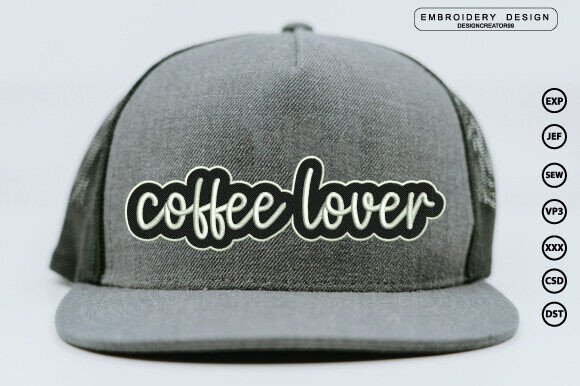
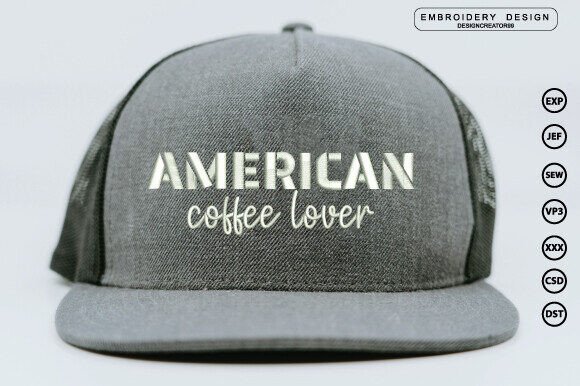
Upon loading the American Coffee Lover 3D Embroidery into my software, the first thing that stands out is the intended depth. Unlike flat fill stitch designs, this artwork relies on layered stitching and shading to create a dimensional effect. The mood is undeniably warm and nostalgic, evoking the comfort of a morning brew. For an Etsy seller or small shop product creator, this visual personality is crucial. It does not feel like generic clipart; it feels like a curated piece of decor.
The layout is balanced, making it versatile for various placements. However, as a designer, I immediately note that "3D" in embroidery often means higher stitch counts and more complex layering. This creates a beautiful texture but also introduces structural weight. The design has a distinct charm that would elevate a basic item into a premium handmade product, provided the maker understands how to manage that physical weight during production.
Real-World Application: The Custom Tote Bag Test
To truly judge this design, I mentally place it in a real-life scenario rather than a vacuum. Let us consider creating a custom canvas tote bag design for a boutique coffee brand or a personalized gift. Canvas is sturdy, which is necessary here. As I visualize stitching the American Coffee Lover 3D Embroidery onto natural cotton canvas, I can see the interplay between the matte fabric and the sheen of the rayon or polyester threads.
In this context, the design serves as a focal point. For a craft business owner, this specific project highlights both opportunity and risk. The opportunity lies in the perceived value; customers are willing to pay more for textured, dimensional work than flat prints. The risk involves stabilization. Because this is a dense design, using a standard tear-away stabilizer might result in puckering or tunneling. A cut-away stabilizer or a heavy fusible mesh would be my professional recommendation to maintain the integrity of the tote bag's shape. If executed correctly, the resulting bag becomes a walking advertisement for quality commercial embroidery.
Ideal Substrates for Tea and Coffee Themes
Beyond tote bags, this design naturally belongs on items associated with warmth and domestic comfort. Here is where the American Coffee Lover 3D Embroidery shines brightest:
- Kitchen Textiles: Flour sack towels and tea towels are classic choices. The absorbency of the fabric pairs well with the coffee theme, though you must ensure the design is centered perfectly to avoid looking lopsided after washing.
- Home Decor: Accent pillows and cushion covers allow the 3D aspect to be appreciated at eye level without the wear-and-tear of apparel.
- Custom Apparel: While possible on sweatshirts, I recommend placing this on the chest or back rather than over a seam. The thickness of the embroidery could be uncomfortable against the skin if placed poorly.
- Holiday Gifts: This design works exceptionally well for seasonal merchandise. Pairing it with autumnal thread colors transforms it into perfect holiday embroidery for mugs cozies or placemats.
Critical Constraints and Fabric Warnings
Experience has taught me that no design is universal. There are specific scenarios where I would advise caution when using the American Coffee Lover 3D Embroidery. Understanding these limitations protects your reputation as a maker.
Fabric Weight and Texture
Avoid lightweight knits, sheer fabrics, or performance athletic wear. The stitch density required to achieve the 3D effect will likely overwhelm thin materials, causing them to drape poorly or tear. Similarly, highly textured fabrics like terry cloth or boucle may obscure the fine details of the shading. If you must use textured fabric, consider using a water-soluble topping to keep the stitches visible and crisp.
Stretch and Stability
If you are attempting sweatshirt embroidery or working with stretchy jersey knits, extensive testing is mandatory. The rigidity of a dense 3D design fighting against the elasticity of the fabric is a recipe for distortion. You may need to adjust the pull compensation in your software or use a heavier stabilizer than usual. Always test on a scrap of the exact garment material before committing to the final piece.
Small Hoop Sizes and Detail Loss
Be wary of resizing this design down significantly. 3D effects rely on specific stitch lengths and angles to create optical illusions of depth. Shrinking the design below its intended hoop size can cause those shading stitches to merge, turning a dimensional image into a muddy blob. Conversely, enlarging it too much may reveal gaps between fill areas. Stick close to the original dimensions unless you have the software expertise to re-digitize specific sections.
Impact on Product Value and Customer Trust
Why does this technical evaluation matter to your bottom line? Because consistency builds trust. When a customer buys a personalized gift or a boutique item, they are judging your craftsmanship. A well-executed American Coffee Lover 3D Embroidery signals professionalism. It shows that you understand your machine, your materials, and your art.
For digital product sellers offering this as a download, providing accurate usage notes increases buyer confidence. For those selling physical goods, the tactile nature of this design justifies a higher price point compared to screen printing. It transforms a commodity into an heirloom-quality item. Whether you are making an embroidered patch for a denim jacket or a luxury pillow cover, the dimensional quality engages the customer’s sense of touch, deepening their connection to the product.
Professional Designer Notes for Success
Before you hoop up your fabric, run through this practical checklist to ensure your project succeeds:
- Verify Specifications: Check the included documentation for exact stitch count, recommended hoop sizes, and licensing terms. Never assume compatibility with your specific machine format without confirming the digital embroidery file integrity.
- Test Stitch is Non-Negotiable: Always run a sample on scrap fabric that matches your final project weight. Inspect the registration of the outline versus the fill. In 3D designs, misalignment kills the illusion.
- Thread Color Contrast: Review your thread colors against your fabric choice. Low contrast hides the 3D shading. Test in black and white mockups to ensure the values read clearly even without color.
- Stabilizer Selection: Match the stabilizer to the fabric weight and design density. When in doubt with a 3D design, lean toward a stable cut-away backing rather than a tear-away.
- Licensing Check: Confirm whether your license allows for commercial embroidery on finished products versus digital resale. Respecting intellectual property is essential for long-term business sustainability.
- Mockup Accuracy: If selling online, use realistic printable mockup templates that reflect the texture of embroidery. Do not mislead customers with flat vector images if the selling point is dimensionality.
The American Coffee Lover 3D Embroidery is a robust asset for makers who respect the technical demands of dimensional stitching. By approaching it with preparation and an understanding of fabric mechanics, you can create stunning, high-value items that resonate with coffee lovers and embroidery enthusiasts alike. Treat the design with care, test thoroughly, and let the quality of your execution speak for itself.