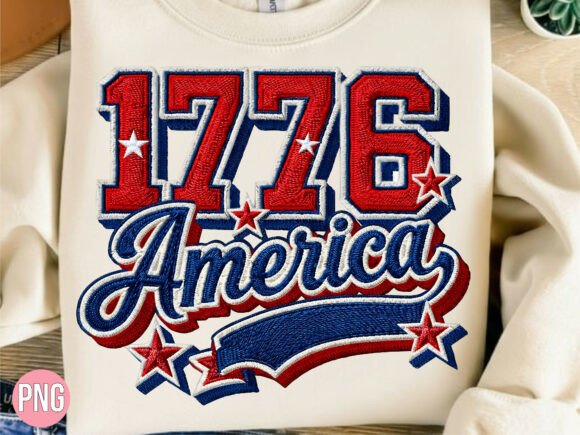
1776 America 3D Embroidery USA PNG Review
As an embroidery designer preparing for a busy weekend craft fair, my selection process for booth inventory is rigorous. I am not just looking for pretty graphics; I am hunting for designs that translate into sales when customers can touch and see the finished product in person. When evaluating the 1776 America 3D Embroidery USA PNG, I approach it with a critical eye toward production efficiency and visual impact. This high-resolution 300 DPI digital asset promises versatility, but as any experienced maker knows, a screen image must survive the transition to needle and thread or heat transfer to be a viable craft fair product.
First Impressions: Bold Patriotism Meets Modern Texture
Upon extracting the ZIP folder and reviewing the PNG file, the immediate impression of this design is bold and textured. The "3D" designation in the title suggests a sense of depth and dimension that separates it from flat, standard vector art. For a handmade market, this is crucial. Customers are drawn to items that look tactile and premium rather than mass-produced. The aesthetic leans towards a modern rustic patriotism—it feels substantial enough for farmhouse decor yet vibrant enough for contemporary apparel.
While categorized under T-Shirt Designs and Graphics, the 300 DPI resolution makes this digital embroidery file suitable for much more than cotton tees. The clarity indicates it will hold up well as a focal point on larger items. It does not feel overly delicate or intricate in a way that risks getting lost on textured fabrics; instead, it commands attention. This boldness is exactly what you need to stop shoppers walking past your booth table.
Evaluating Product Applications for Market Sales
When planning my booth display, I categorize potential products by their sell-through rate and profit margin. Here is how I assess the 1776 America 3D Embroidery USA PNG across various handmade goods:
- Tote Bag Design: This is likely your highest ROI item. The natural canvas texture of a tote bag complements the 3D effect of the graphic. Because the design is high-resolution, it serves as an excellent guide for digitizing a fill stitch that mimics that raised appearance. Totes are high-visibility items at markets; when a customer carries one, it acts as a walking advertisement for your booth.
- Apron Embroidery: Patriotic themes sell exceptionally well in kitchenware, especially leading up to summer holidays. On an apron, this design works best as a centered chest placement or a large lower-pocket motif. The visual weight of the 3D style balances well against heavy-duty denim or twill apron fabrics.
- Tea Towel Embroidery: Flour sack towels are a staple for Etsy sellers and market vendors. However, caution is required here. The terry loop texture can swallow fine details. I would use this PNG as a template to create a design with slightly open spacing to prevent the towel from becoming too stiff or bulletproof due to excessive stitch density.
- Embroidered Patch: Given the distinct outline implied by 3D styling, this graphic is a prime candidate for patches. Patches allow you to batch produce inventory off-site and apply them to caps, jackets, or bags later. They are low-risk, high-margin add-ons at a craft fair table.
- Pillow Covers: For home decor buyers, this design offers a seasonal accent piece. The 300 DPI quality ensures that if you choose to use direct-to-film (DTF) printing alongside embroidery, the colors will match perfectly, allowing for mixed-media products that stand out.
Production Practicality and Booth Display Strategy
A beautiful design is useless if it takes four hours to stitch out during a short market window. From a production standpoint, the 1776 America 3D Embroidery USA PNG appears to be a manageable size for commercial embroidery machines. Its bold nature suggests it avoids tiny, time-consuming satin stitches that often cause thread breaks or registration issues.
For booth displays, variety creates engagement. I recommend using this single design asset to create a cohesive collection. Imagine a table runner featuring the design, flanked by matching napkins and a statement pillow. This brand consistency signals professionalism to buyers. Furthermore, because the file is a high-quality PNG, creating a printable mockup for your online listings is seamless. You can show customers what the design looks like on a cap or mug even if you only have physical samples of tote bags at the fair. This bridges the gap between your physical booth and your digital storefront.
Critical Use Notes for Embroiderers
Despite the high resolution, transitioning from a raster PNG to a stitched machine embroidery design requires technical diligence. Do not assume the digital preview equals the stitched reality. Pay close attention to these factors:
- Fabric Texture Interaction: The 3D effect relies on contrast. On dark fabrics, ensure your underlay is sufficient to prevent the fabric grain from showing through the stitches. On thick fabrics like fleece or minky, increase the compensation settings to maintain the design's intended shape.
- Stitch Density Management: If you are digitizing this PNG yourself, avoid over-compensating for the 3D look with excessive density. High density leads to puckering and needle damage. Test the design on scrap fabric identical to your final product before committing to a full production run.
- Small Lettering and Details: If the 1776 date includes serifs or thin lines, verify they are legible at your intended hoop size. Text smaller than 0.25 inches often fails in embroidery. You may need to simplify the font or increase the overall size of the design for smaller items like pouches.
- Stabilizer Selection: A bold, potentially dense design demands proper support. Cut-away stabilizer is generally safer than tear-away for wearable items to prevent distortion after washing. For tea towels, consider a water-soluble topping to keep the stitches crisp above the terry loops.
Designer Checklist Before Selling Finished Products
Before listing this as a small shop product or stocking your shelves, run through this professional checklist. These steps protect your reputation and ensure customer satisfaction:
- Verify Licensing: The description notes this is a YPremium digital design file. Always confirm the specific commercial license terms included in your download. Ensure you are permitted to sell finished physical products versus just the digital file itself.
- Create Real Mockups: Digital renderings are helpful, but nothing beats a photo of the actual embroidered item. Natural lighting photos build trust with Etsy buyers and social media followers.
- Test Thread Colors: Screen colors differ from thread charts. Select your reds, whites, and blues physically and view them together in natural light to ensure the patriotic palette feels cohesive and not neon or dull.
- Confirm Hoop Size Compatibility: Measure the design dimensions against your machine’s maximum embroidery area. Nothing halts production faster than realizing a design is 5x7 but your primary machine only accepts 4x4 hoops.
- Wash Test: Craft fair customers expect durability. Wash and dry your sample tote or apron to check for shrinkage, color bleeding, or stabilizer residue. A product that falls apart after one wash destroys repeat business.
The 1776 America 3D Embroidery USA PNG holds significant promise for creative entrepreneurs. Its combination of patriotic sentiment and modern 3D styling makes it a versatile asset for everything from apparel to home decor. By approaching this file with professional scrutiny—testing on real fabrics, managing stitch density, and verifying commercial rights—you transform a simple digital download into a profitable line of handmade goods. Whether you are stitching out samples for next weekend's market or updating your Etsy shop for the holiday rush, this design offers the visual punch necessary to capture buyer attention in a crowded marketplace.