Green Yellow Geometric Cross Stitch Art Review
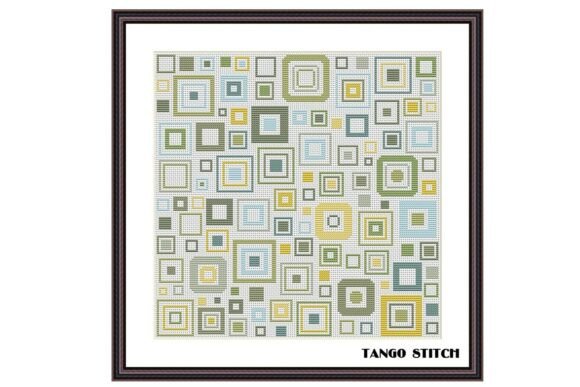
As an embroidery designer preparing for a weekend craft fair, my primary concern is always translating digital files into tangible, sellable inventory. When evaluating the Green Yellow Geometric Cross Stitch Art pattern, specifically the Tango Stitch variation, I am looking for more than just aesthetic appeal; I am assessing commercial viability for handmade market products. This design offers a modern, minimalist aesthetic inspired by mid-century motifs, aiming to create a sophisticated look. For Etsy sellers, boutique makers, and creative entrepreneurs, this specific combination of color and geometry presents unique opportunities and challenges for booth displays and online listings.
First Impressions and Market Positioning
Upon reviewing the Green Yellow Geometric Cross Stitch Art, the immediate impression is one of retro-modern elegance rather than traditional rustic charm. The interplay of green and yellow thread colors against a structured geometric grid creates a visual rhythm that feels both nostalgic and contemporary. Unlike dense floral patterns or novelty graphics, this design reads as premium and intentional. For a craft fair product lineup, this sophistication allows the design to bridge the gap between vintage lovers and modern minimalists.
The mid-century inspiration suggests that this machine embroidery design will perform exceptionally well on items associated with domestic comfort and curated style. It does not scream for attention like a neon graphic; instead, it invites closer inspection. This is crucial for handmade product sales where texture and detail justify the price point. The design assets here support a brand identity focused on quality craftsmanship and thoughtful color theory, making it ideal for sellers who want to elevate their booth beyond basic personalized goods.
Best Product Applications for Craft Fairs
Determining where to apply the Green Yellow Geometric Cross Stitch Art is essential for maximizing return on investment during production. Based on the tango stitch structure and geometric layout, certain substrates will outperform others in a retail setting.
- Tea Towel Embroidery: This is arguably the strongest application. The mid-century aesthetic pairs naturally with linen or cotton waffle-weave towels. The geometric lines complement the fabric texture without competing with it, creating a high-value kitchen accessory.
- Tote Bag Design: Natural canvas tote bags serve as an excellent neutral backdrop for the green and yellow palette. The design works as a centered focal point, transforming a utility item into a fashion statement suitable for farmers markets and bookstores.
- Apron Embroidery: For culinary-focused vendors, placing this design on the bib or lower pocket of a solid-colored apron adds a touch of boutique flair. It appeals to home cooks who appreciate vintage styling.
- Pillow Covers: As a home decor item, the sophisticated geometry translates beautifully to throw pillows. This application leverages the "art" aspect of the title, positioning the finished product as interior decoration rather than mere craft.
- Fabric Pouches and Zipper Bags: Smaller iterations of the design work well on cosmetic bags or pencil cases. These are perfect impulse buys at craft fairs, allowing customers to purchase the aesthetic at a lower entry price.
While caps and curved surfaces are popular, I would approach them with caution for this specific cross stitch pattern. Geometric lines require precision, and the distortion inherent in cap embroidery can disrupt the clean mid-century symmetry unless you have advanced digitizing skills or specialized hooping equipment.
Production Practicality and Batch Efficiency
For small shop product creators, time is money. The Green Yellow Geometric Cross Stitch Art scores highly on repeatability. Geometric designs typically have consistent stitch density, which makes them predictable for batch production. Unlike complex shading or variable satin stitches, the tango stitch structure likely maintains a uniform rhythm. This means once you dial in your tension and stabilizer choice, you can run multiple units with minimal supervision.
From a photography standpoint, this design is a dream for Etsy sellers. High-contrast geometric shapes photograph clearly even in natural light, reducing the need for extensive editing. The distinct green and yellow blocks remain legible in thumbnail images, which is vital for mobile shoppers scrolling through digital embroidery file listings or finished goods. When creating printable mockups for digital sales, ensure the background color accurately reflects the intended fabric tone to manage customer expectations regarding contrast.
Critical Technical Considerations for Makers
Despite its visual appeal, successful execution of the Green Yellow Geometric Cross Stitch Art requires attention to technical details. As a professional reviewer, I must highlight potential pitfalls before you commit to bulk production.
- Stitch Density and Fabric Weight: Cross stitch emulation can be dense. If stitching on lightweight tea towels or sheer fabrics, use an appropriate cut-away or tear-away stabilizer to prevent puckering. Test on scrap fabric first to ensure the green and yellow threads do not cause tunneling.
- Thread Contrast Verification: Ensure the specified green and yellow shades provide sufficient contrast against your chosen base fabric. A dark green on navy fabric may disappear in dim craft fair lighting. Always verify thread colors physically, as screen representations in digital embroidery files can be misleading.
- Hoop Size Alignment: Confirm the hoop size requirements before purchasing. Mid-century geometric borders sometimes require larger hoops to maintain continuity. Re-hooping midway through a geometric design increases the risk of misalignment, which ruins the crisp aesthetic.
- Scaling Limitations: Be wary of resizing this design significantly smaller. Cross stitch patterns rely on specific grid integrity. Shrinking the design may cause stitches to overlap excessively or lose definition, turning a sophisticated pattern into a muddy blob.
- Commercial Licensing: Before selling finished products or the digital file itself, strictly review the license terms included with the Green Yellow Geometric Cross Stitch Art. Verify whether commercial embroidery usage is permitted and if there are limits on production volume.
Enhancing Booth Display and Buyer Engagement
In a crowded handmade market, visual merchandising drives sales. The Green Yellow Geometric Cross Stitch Art lends itself to cohesive table displays. Because the design is rooted in mid-century aesthetics, consider styling your booth with complementary props: brass utensils, teak serving boards, or vintage ceramics. This contextualizes the embroidered patch or towel as part of a lifestyle, increasing perceived value.
For digital sellers offering this as a graphics asset or embroidery file, emphasize the versatility in your listing description. Show real-world samples alongside the digital preview. Buyers need to see how the tango stitch renders on actual fabric texture versus a flat screen. Highlight that this design serves as both a standalone art piece and a repeatable border element for custom projects.
Ultimately, the success of this design lies in respecting its architectural nature. It is not a quick-fill design but a deliberate artistic choice. By treating the Green Yellow Geometric Cross Stitch Art with the technical care and stylistic reverence it demands, craft fair sellers and embroidery business owners can create products that stand out for their sophistication and quality. Whether applied to a linen tea towel or sold as a premium digital download, this pattern offers a pathway to elevated handmade merchandise that resonates with discerning buyers seeking timeless, modern design.