J Lovely Script Monogram: A Designer’s Stitch Test
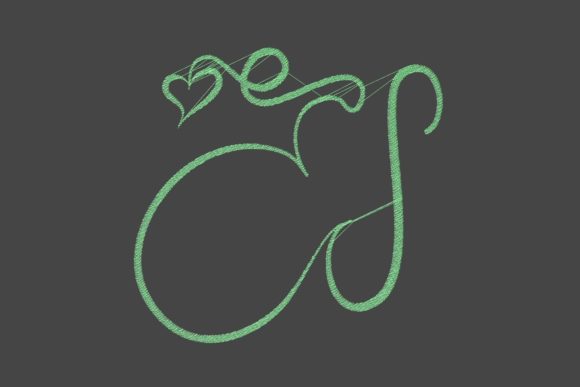
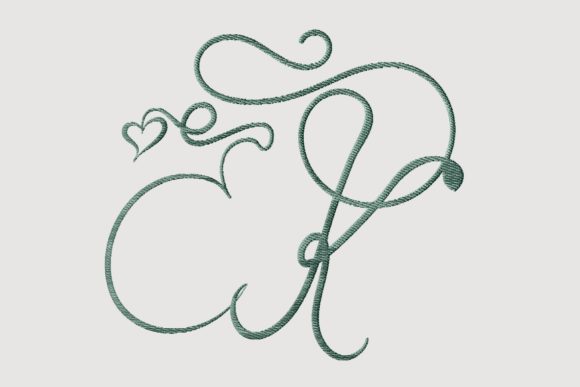
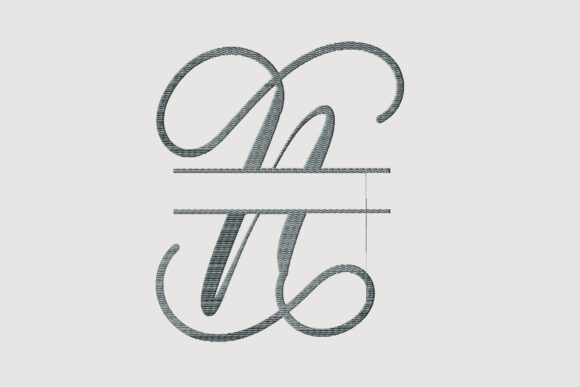
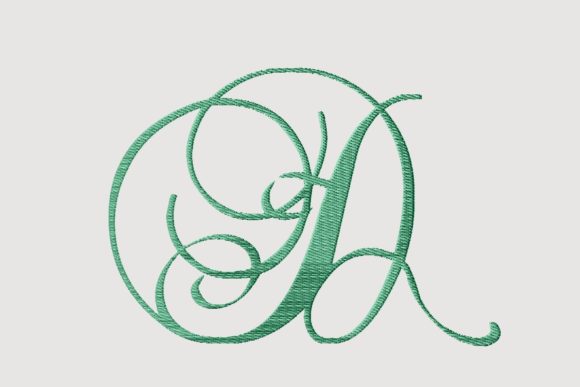
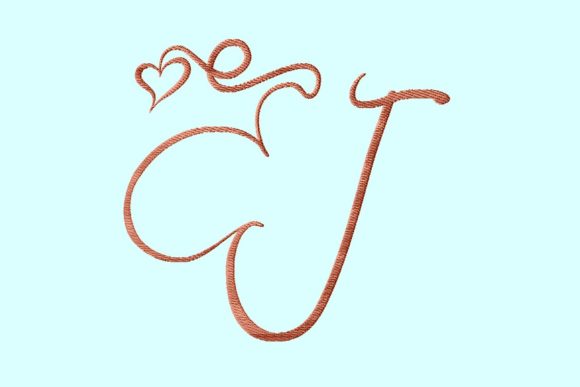
When evaluating a new machine embroidery design for my studio, I look past the digital preview and focus entirely on how the file translates to physical thread. The J Lovely Script Monogram immediately caught my attention as a potential staple for romantic and vintage-inspired projects. As an experienced designer and product reviewer, my first impression was that this letterform carries a distinct elegance without appearing overly stiff or archaic. It strikes a delicate balance between traditional calligraphy and modern readability, which is often the hardest combination to achieve in script typography.
The mood of this design is undeniably soft and refined. Unlike block letters that demand attention through sheer weight, this script invites the viewer in with flowing curves and tapered ends. For those of us running a craft business or managing an Etsy shop, visual personality is everything. This specific J has enough character to stand alone as a focal point but remains versatile enough to pair with other floral elements or geometric frames. When I loaded the embroidery file into my software, the layout suggested it would perform exceptionally well on items where the monogram needs to feel personal rather than corporate.
Real-World Application: The Bridal Tote Test
To truly understand the value of the J Lovely Script Monogram, I approached it with a specific client scenario in mind: creating custom bridal party tote bags. In this real-life application, the monogram needed to be legible from a distance in photographs while maintaining a delicate aesthetic up close. Script fonts can sometimes become muddy when scaled down or stitched on textured canvas, so this was the perfect stress test.
During the stitching process, I observed how the design handled transitions. A high-quality script relies heavily on the interplay between satin stitch columns and connecting running stitch lines. If the satin columns are too narrow, they sink into the fabric; if they are too wide, they risk puckering. This design appeared to have thoughtful digitizing in these transition areas. On the natural cotton canvas tote, the J maintained its structural integrity. The loops did not collapse, and the tail of the letter provided a satisfying visual anchor without excessive jump stitches that would require tedious trimming post-production.
For Etsy sellers and makers focusing on wedding markets, this performance is critical. Customers expect a handmade product to look polished. When this monogram was finished, it elevated the perceived value of the simple canvas bag, transforming it into a keepsake personalized gift. The romantic nature of the script aligned perfectly with the bridal theme, proving that this asset is not just a pretty picture on a screen, but a viable commercial tool for creating sellable merchandise.
Versatility Across Apparel and Home Decor
Beyond wedding accessories, I evaluated how the J Lovely Script Monogram adapts to other substrates common in small shop inventories. Script designs are notoriously sensitive to fabric choice, but this letterform showed promising adaptability. On custom apparel like lightweight sweatshirts and baby onesies, the design’s flow complements the drape of the garment. For baby embroidery, specifically, the softness of the script avoids the harshness that some serif fonts carry, making it ideal for nursery blankets and bibs.
I also considered its utility for home decor. Tea towels and pillow covers often serve as entry-level products for creative entrepreneurs. Because this J has a classic silhouette, it works beautifully in tone-on-tone thread colors for a subtle, high-end boutique look, or in high-contrast metallic threads for holiday embroidery. However, users must be mindful of scale. While it shines as a chest logo or cuff detail, enlarging it significantly for a large back print might expose gaps in the satin stitches unless the file includes proper underlay or compensation settings. Always verify the intended size range within your digital embroidery file before committing to bulk production.
Critical Considerations for Fabric and Stabilization
No matter how beautiful a Wedding Monogram looks digitally, physics dictates the final result. During my review, I noted several scenarios where caution is required. Textured fabrics like linen or terry cloth can swallow fine details. If you plan to use the J Lovely Script Monogram on kitchen towels or rustic linens, you must use an appropriate water-soluble topping to prevent the stitches from sinking into the weave. Without this step, the delicate swashes that give this J its charm will disappear.
Stretchy fabrics present another challenge. Knits and jersey materials move during hooping and stitching. For sweatshirt embroidery or stretchy baby clothes, a cut-away stabilizer is non-negotiable to prevent distortion. I also advise testing on dark fabrics first. Light-colored script on dark backgrounds requires dense coverage to avoid the fabric showing through the stitches. Conversely, on sheer or thin fabrics, check the stitch density. If the design is too dense, it may cause needle perforation or tearing. Always run a sew-out on scrap material that matches your final project’s weight and texture before stitching on a sellable item.
Professional Presentation and Business Value
For those selling design assets or finished goods, consistency builds trust. The J Lovely Script Monogram offers a professional level of refinement that signals quality to buyers. When creating printable mockups for listings, ensure the digital representation matches the actual stitch-out. Misleading customers with vector-smooth previews when the physical product has texture leads to returns and negative reviews. Use photos of actual stitched samples whenever possible to demonstrate the tactile reality of the embroidery project.
Furthermore, consider the licensing and commercial rights associated with this file. Before listing a finished product featuring this monogram on Etsy or at craft fairs, confirm that your purchase includes commercial usage rights. Protecting your business means respecting intellectual property. If you are a digitizer yourself, study this file’s construction. Notice how the entry and exit points are managed to minimize trims. These technical nuances are what separate a hobbyist file from a professional-grade commercial embroidery asset.
Designer Notes for Optimal Results
To get the most out of the J Lovely Script Monogram, keep these practical tips in mind:
- Test First: Never skip the test sew-out. Verify hoop size compatibility and tension settings on your specific machine.
- Thread Contrast: Evaluate visibility. Pastel threads on white fabric may require a darker outline or shadow effect to define the shape.
- Stabilizer Selection: Match stabilizer weight to fabric. Use tear-away for stable wovens and cut-away for knits.
- Scale Awareness: Respect the minimum size. Shrinking script below its designed threshold causes thread breaks and illegibility.
- Color Planning: Test variegated threads carefully. Random color changes can interrupt the visual flow of a continuous script.
- Licensing Check: Confirm permissions for both physical sales and digital redistribution if applicable.
Ultimately, the J Lovely Script Monogram is a strong contender for any embroiderer’s library. It brings a touch of romance and sophistication that enhances everything from bridal trousseaus to everyday personalized gifts. By approaching it with technical mindfulness and respect for the medium, you can leverage this design to create products that resonate deeply with clients and elevate your brand’s handmade aesthetic. Whether you are an established small shop product creator or a passionate hobbyist, this letterform offers the reliability and beauty necessary for successful embroidery work.