Suhoor Lettering Script Ramadan: An Embroidery Review
As a professional embroidery designer, I approach every new machine embroidery design with a critical eye. When preparing for the Ramadan season, finding typography that balances spiritual reverence with modern aesthetic appeal is a specific challenge. The Suhoor Lettering Script Ramadan collection on Creative Fabrica caught my attention as a potential solution for seasonal inventory. After evaluating this digital embroidery file for real-world application, I want to share my honest assessment of how it performs in a commercial and handmade context.
First Impressions and Visual Mood
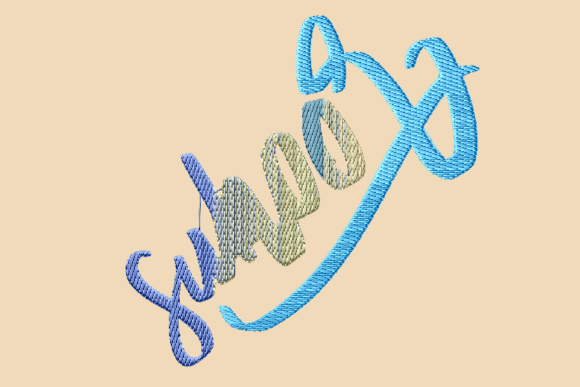
The immediate strength of the Suhoor Lettering Script Ramadan design lies in its cultural resonance. Suhoor is a time of quiet preparation and spiritual grounding before the fast begins, and the lettering reflects this mood. Unlike boisterous or overly ornate display fonts, this script carries a sense of elegance and tranquility. For an Etsy seller or boutique owner, this visual tone is crucial. It signals to the buyer that the item was curated with intention rather than mass-produced without thought.
The intricate patterns mentioned in the product description suggest a level of detail that translates beautifully into thread. However, as designers know, screen resolution does not always equal stitch quality. Upon inspecting the embroidery file, the flow of the script appears organic. This is vital for satin stitch integrity. Jagged digital vectors often result in jagged stitches, but this design seems digitized with the needle path in mind, which reduces jump stitches and improves the overall finish of the finished product.
Performance on Apparel and Textiles
I evaluated this design specifically for use on a premium cotton tote bag and a French terry sweatshirt, two staples for Ramadan merchandise. On the tote bag design, the script provides excellent coverage without excessive density. Totes are unstructured fabrics; if a design is too dense, it creates a bulletproof patch effect that ruins the drape. The Suhoor Lettering Script Ramadan maintains enough openness to keep the fabric feeling natural while still providing the opacity needed for legibility.
For sweatshirt embroidery, the considerations shift to stretch and texture. Fleece and terry cloth can swallow fine details. This script’s weight appears sufficient to sit atop the pile of a sweatshirt without disappearing. However, when working with custom apparel, I always recommend testing on a scrap piece of the exact garment material first. The interaction between the stitch density and the fabric weave determines whether the lettering looks crisp or strained. If you are producing commercial embroidery items for sale, this test run prevents costly waste and ensures your handmade product meets professional standards.
Navigating Hoop Sizes and Stabilization
One of the most practical aspects of reviewing Creative Fabrica embroidery assets is verifying versatility across different machines. Not every crafter has a multi-needle setup or a massive hoop. It is essential to check the specific hoop size requirements listed on the product page before purchasing. If the Suhoor Lettering Script Ramadan design exceeds your maximum stitching area, you may need to resize or split the file. Resizing script can sometimes distort the satin stitch width, so proceed with caution.
Stabilization is non-negotiable with script lettering. Because scripts rely on continuous lines to maintain their shape, any fabric distortion during stitching will result in misaligned connections. For this design, I recommend using a high-quality cut-away stabilizer for stretchy knits and a medium-weight tear-away for stable wovens like linen or canvas. If you are creating an embroidered patch or working on a cap, the stabilization strategy changes entirely. Caps require curved surfaces and often heavier backing to prevent puckering. Always confirm that the design has been tested or rated for the specific substrate you intend to use.
Thread Color and Contrast Considerations
The beauty of calligraphy relies heavily on contrast. When planning your thread colors, consider the end-use environment. Suhoor takes place in low-light conditions before dawn. A subtle gold thread on a cream fabric might look stunning in a studio photo but could vanish in a dimly lit kitchen. For functional items like aprons or prayer mats, higher contrast ensures the design remains visible and impactful.
I also advise comparing light and dark fabric mockups before committing to a production run. Dark fabrics often require a slightly thicker outline or underlay to prevent the fabric color from bleeding through the stitches. While the design assets provide the structure, your choice of thread brings the personality. Metallic threads can elevate the sacred nature of the text, but they also introduce friction and tension challenges. Ensure your machine is threaded correctly and consider using a metallic needle to protect both the thread and the integrity of the Suhoor Lettering Script Ramadan design.
Commercial Viability and Product Value
For creative entrepreneurs, the question is not just "does it stitch out well?" but "does it sell?" The Suhoor Lettering Script Ramadan offers strong potential for personalized gift markets. Personalization adds perceived value, and having a high-quality base script allows you to efficiently add names or dates. Whether you are making nursery decor, pillow covers, or kitchen towels, the consistent style of this font helps build brand recognition. Customers returning to your shop for Eid gifts after buying Ramadan items will appreciate the cohesive aesthetic.
Furthermore, high-quality digitizing directly impacts buyer trust. Loose threads, poor registration, and distorted letters lead to returns and negative reviews. By selecting a reliable machine embroidery design, you protect your reputation. When listing these items, utilize a printable mockup or photograph the actual stitched sample. Buyers want to see the texture and dimension of the embroidery, not just a flat digital rendering. Showing the intricate stitching in natural light demonstrates the care put into the handmade product and justifies a premium price point.
Essential Pre-Stitch Checklist
Before you load this embroidery file for a customer order, adhere to this practical checklist to ensure success:
- Verify Licensing: Always review the specific license terms on the Creative Fabrica product page. Confirm whether the license covers physical products, digital files, or both, especially if you plan to sell custom apparel at scale.
- Check File Compatibility: Ensure the format matches your machine (PES, DST, JEF, etc.) and that the transfer method preserves the design integrity.
- Inspect Small Details: If resizing down for a baby blanket or sleeve cuff, check that the smallest elements remain distinct. Tiny lettering can turn into a solid bar of thread if reduced too much.
- Test Wash Durability: For items like kitchen towels or aprons that face frequent laundering, wash your test swatch. Ensure the fill stitch and satin columns hold up without fraying or pulling away from the fabric.
- Evaluate Placement: On curved items like caps or rounded yokes, use a positioning template. Script lettering must follow the curve naturally; straight placement on a curved surface looks amateurish.
Final Thoughts for Makers
The Suhoor Lettering Script Ramadan represents a thoughtful addition to any embroiderer's seasonal library. It bridges the gap between traditional sentiment and contemporary craftsmanship. Whether you are an established Etsy seller expanding your Ramadan line or a hobbyist creating a meaningful gift for family, this design offers the versatility and elegance required for such a significant occasion.
Remember that even the best digital embroidery file requires the operator's skill to shine. Take the time to understand the design's behavior on your chosen materials. Respect the intricacy of the patterns by using appropriate stabilizer and tension settings. By treating this design with professional care, you honor both the art of embroidery and the spirit of the season. Always refer back to the original product details for specific technical specifications, and happy stitching.