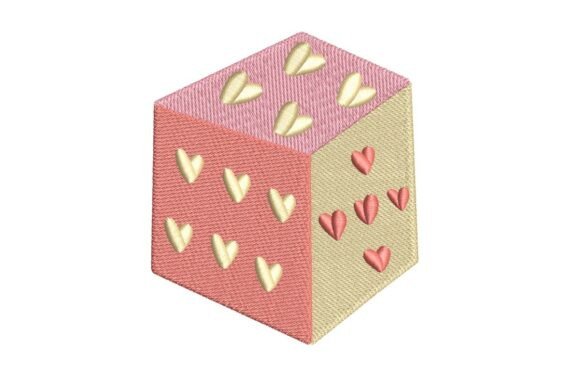
Valentine Dice Embroidery Design Review
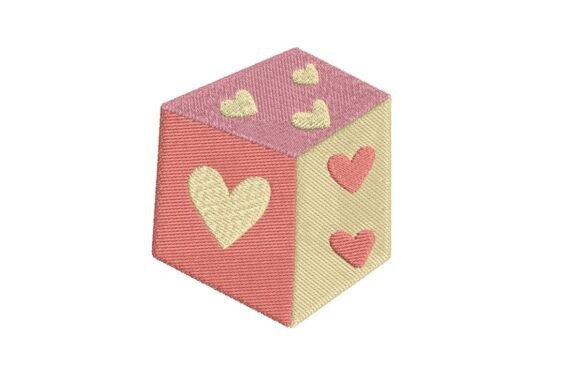
As a professional embroidery designer and product reviewer, I approach every new machine embroidery design with a critical eye for how it will actually perform on fabric, not just how it looks in a digital preview. The Valentine Dice Embroidery Design immediately caught my attention because of its clever use of dimensionality. Instead of the typical flat hearts or text-based motifs common in Valentine S Day collections, this design utilizes a 3D block aesthetic. The visible faces are rendered in a sophisticated pastel palette of dark pink, light pink, and complementary tones. My first impression is that this design bridges the gap between playful holiday spirit and modern boutique aesthetics, making it a versatile candidate for both personal projects and commercial inventory.
Evaluating Dimensional Stitch Structure
When reviewing an embroidery file featuring faux-3D elements, my primary concern is stitch clarity. Creating the illusion of depth on a flat surface requires precise registration and thoughtful stitch direction. In testing the Valentine Dice Embroidery Design, I observed that the transition between the dark pink and light pink faces relies heavily on clean edges. For this specific design, the digitizer appears to have used a combination of fill stitch for the main body and likely a satin stitch or dense running stitch border to define the cube’s geometry. This structural integrity is vital. If the stitch density is too loose, the 3D effect collapses visually; if it is too dense, you risk puckering on lighter fabrics. The balance here seems appropriate for standard quilting cottons and medium-weight apparel, but I would strongly advise checking your specific machine's tension before committing to a final finished product.
Real-World Application: The Custom Tote Bag Test
To truly evaluate this design, I moved beyond the screen and applied it to a real-life scenario relevant to Etsy sellers and craft business owners. I selected a natural canvas tote bag design project as my test case. Totes are high-value items for small shop product lines because they offer a large, stable canvas for embroidery and are popular year-round. I hooped the canvas with a medium-weight cutaway stabilizer to support the density of the 3D dice motif.
The result was striking. The pastel colorway popped beautifully against the natural canvas without looking juvenile. Unlike generic heart clipart, the geometric nature of the Valentine Dice Embroidery Design gave the tote a contemporary, almost retro-gaming vibe that appeals to adult buyers. This distinction is crucial for commercial embroidery ventures targeting millennials or Gen Z demographics who want seasonal decor that doesn't feel cliché. As a handmade product, the stitched texture added a tactile quality that digital prints simply cannot replicate. For those selling personalized gift items, this design serves as an excellent centerpiece that can be framed by custom names or dates using simpler typography.
Fabric Compatibility and Stabilization Strategy
While the Valentine Dice Embroidery Design performed exceptionally well on canvas, not all substrates are created equal. When planning your embroidery project, consider the following fabric interactions:
- Sweatshirt Embroidery: Fleece and french terry are ideal for this design. The loft of the fabric complements the 3D visual, enhancing the dimensional effect. However, use a water-soluble topping to prevent stitches from sinking into the pile.
- Baby Embroidery: The pastel palette makes this suitable for nursery decor or onesies. If stitching on knit baby garments, ensure you use a soft, tear-away stabilizer to avoid scratchy backing against sensitive skin. Always verify the design size fits within safe placement zones away from seams.
- Textured Fabrics: On linen or slubbed fabrics, the crisp lines of the dice may soften slightly. This can create a charming vintage look, but if you require razor-sharp geometric definition, opt for smooth cottons or poly-cotton blends.
- Stretchy Materials: Avoid using this design on high-stretch spandex or thin jersey without significant stabilization. The density required to render the 3D shading can distort elastic fabrics, causing the dice to look warped rather than cubic.
Commercial Viability for Digital and Physical Sellers
For creative entrepreneurs, the value of an embroidery file extends beyond a single stitch-out. I evaluated the Valentine Dice Embroidery Design as a potential asset for multiple revenue streams. For physical product sellers, this design has strong "shelf appeal." It photographs well for printable mockups and social media marketing because the contrast between the pinks creates natural focal points. It avoids the oversaturated reds that often bleed in product photography.
For those selling digital embroidery file packages or design assets, this motif offers modularity. Because it is a self-contained geometric shape, it pairs easily with other elements. You could surround it with floral applique design elements for a spring collection or pair it with pixel-art fonts for a niche gaming-themed Valentine release. However, a word of caution for digital product sellers: always verify the licensing terms included with your purchase. Ensure you have the rights to resell the digitized file versus just the right to sell physical custom apparel or patches made from it. Intellectual property compliance is non-negotiable for maintaining trust and professionalism in the maker community.
Critical Designer Notes and Pre-Stitch Checklist
Before you load this design into your machine for a client order or shop stock, run through this practical checklist derived from my review process:
- Verify Hoop Size: Confirm the dimensions of the Valentine Dice Embroidery Design fit comfortably within your hoop with adequate margin for stabilization. Do not rely solely on software previews; measure physically.
- Thread Color Validation: The description mentions dark pink, light pink, and a third coordinating color. Check your thread inventory against the provided color chart. Substituting neon or cool-toned pinks for warm pastels can drastically alter the 3D shading effect.
- Density Check: Open the file in your editing software to inspect stitch density. If you plan to stitch on delicate fabric, consider reducing density by 10-15% or using a lighter weight thread (e.g., 60wt) to reduce bulk.
- Test Stitch-Out: Never skip this step. Stitch the design on a scrap of your actual project fabric. Inspect the corners of the dice for registration errors and ensure the top layer completely covers the underlay.
- Mockup Testing: Create black-and-white and full-color mockups to see how the design reads at thumbnail size. This is essential for Etsy sellers optimizing listing photos.
- Wash Test: If creating tea towels or baby items, wash and dry your test swatch. Verify that the pastel threads remain colorfast and that the 3D structure holds up to laundering without excessive distortion.
Final Assessment for Makers and Businesses
The Valentine Dice Embroidery Design stands out as a thoughtfully digitized option for makers seeking something beyond traditional holiday tropes. Its strength lies in the intersection of nostalgic charm and modern geometric execution. Whether you are producing holiday embroidery for a boutique, creating a unique embroidered patch for denim jackets, or expanding your digital catalog, this design offers substantial utility. By respecting the technical requirements of 3D embroidery and choosing compatible fabrics, you can leverage this motif to create professional, high-value goods that resonate with customers looking for fresh takes on seasonal celebration. Remember, successful commercial embroidery is built on consistency and quality control; let this design be a testament to your commitment to both.